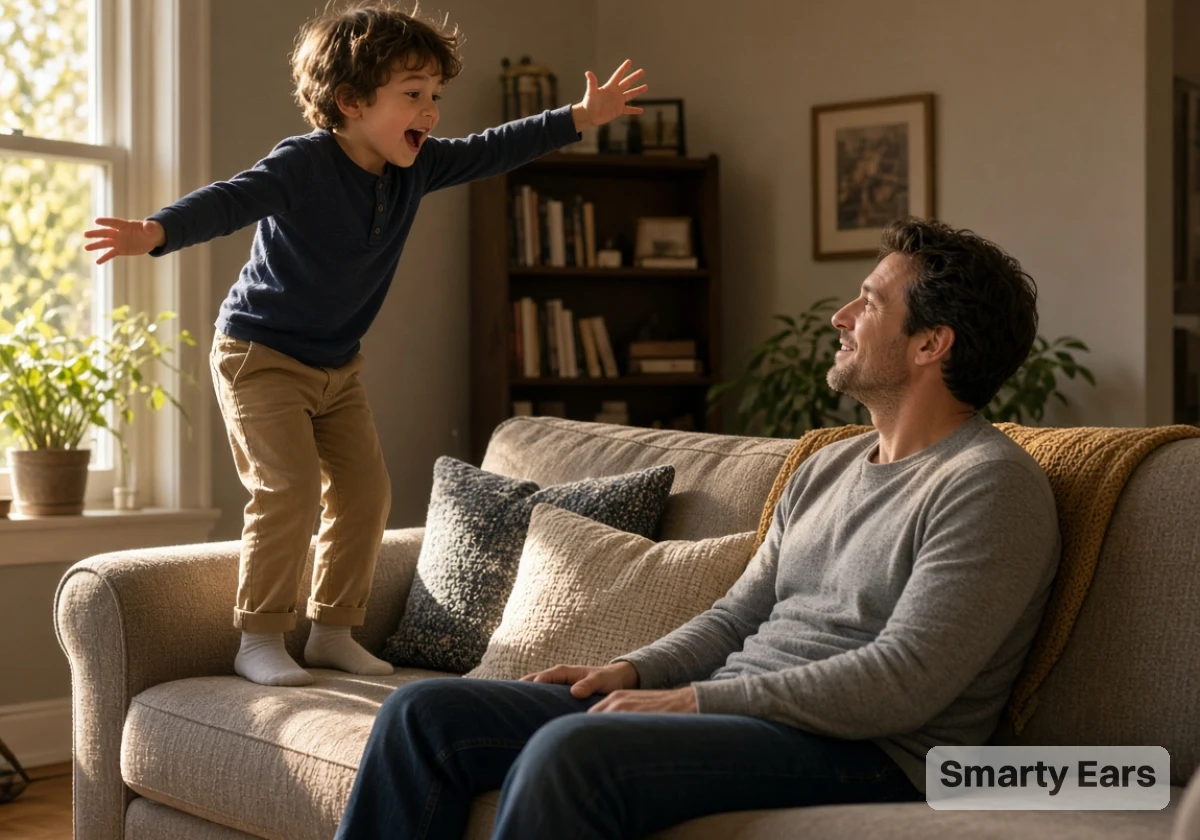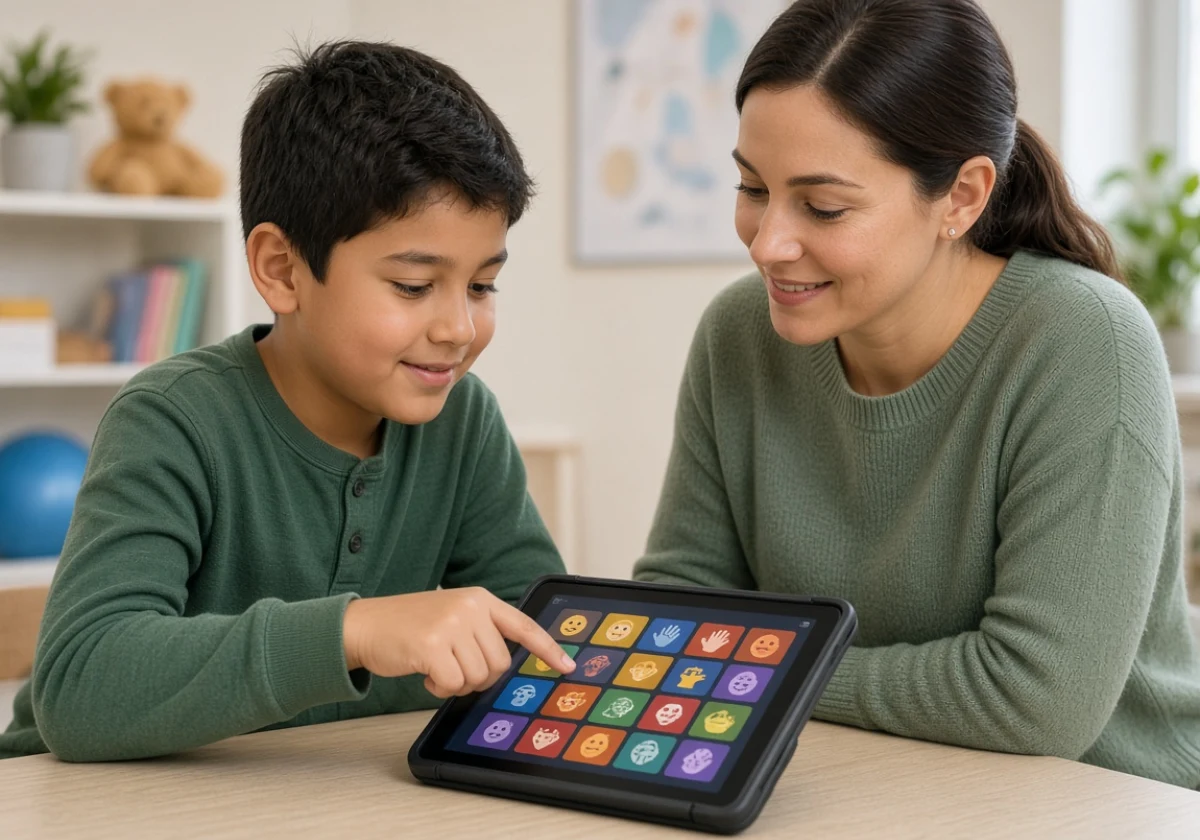
Yes, parents should keep using both languages at home, because a child’s speech grows from rich, everyday talk in any language. Dropping your home language to make room for English usually shrinks how much conversation your child hears each day.
Parents sometimes worry that speaking two languages will delay their child’s speech. This concern leads some families to explore bilingual child speech therapy. At Smarty Ears, we hear from parents who question their home language after a relative or teacher recommends English only.
This guide covers why two languages don’t cause speech delays, five ways to practice at home, and the signs that call for a professional. You’ll also learn how to work with a bilingual speech-language pathologist (SLP), starting with the myth below.
Speaking Two Languages at Home Doesn’t Cause a Speech Delay

Pediatricians are clear on this point. The American Academy of Pediatrics confirms: “Speech or language problems are not caused by learning multiple languages.” Yet many parents still hear the opposite advice from relatives (grandparents are often the loudest voices in this debate).
So why do bilingual children sometimes seem slower to talk? The answer lies in how their vocabulary splits across two languages. A toddler might say “milk” in English and “perro” in Spanish, so a word count in one language misses half of what they know.
That’s why speech development in bilingual children needs assessment across their languages. When you count the words a child knows in each language, their combined vocabulary gives a fuller picture. Mixing languages, like saying “quiero more juice,” is also a normal part of bilingual language development.
That said, bilingualism doesn’t shield a child from a true delay either. If your child struggles to communicate across their languages, it’s worth learning what a speech delay looks like. A smaller vocabulary in one language alone often reflects differences in exposure rather than a disorder.
Home Language Speech Support: Five Ways to Practice in Both Languages
With that myth out of the way, home language speech support works best when practice fits into the talking you already do. You don’t need flashcards or a fixed schedule, and frequent short moments of speech therapy at home give your child more practice than one long weekly drill.
Below, we’ve explained five ways to build that practice into both languages.
Narrating Daily Routines in Your Strongest Language
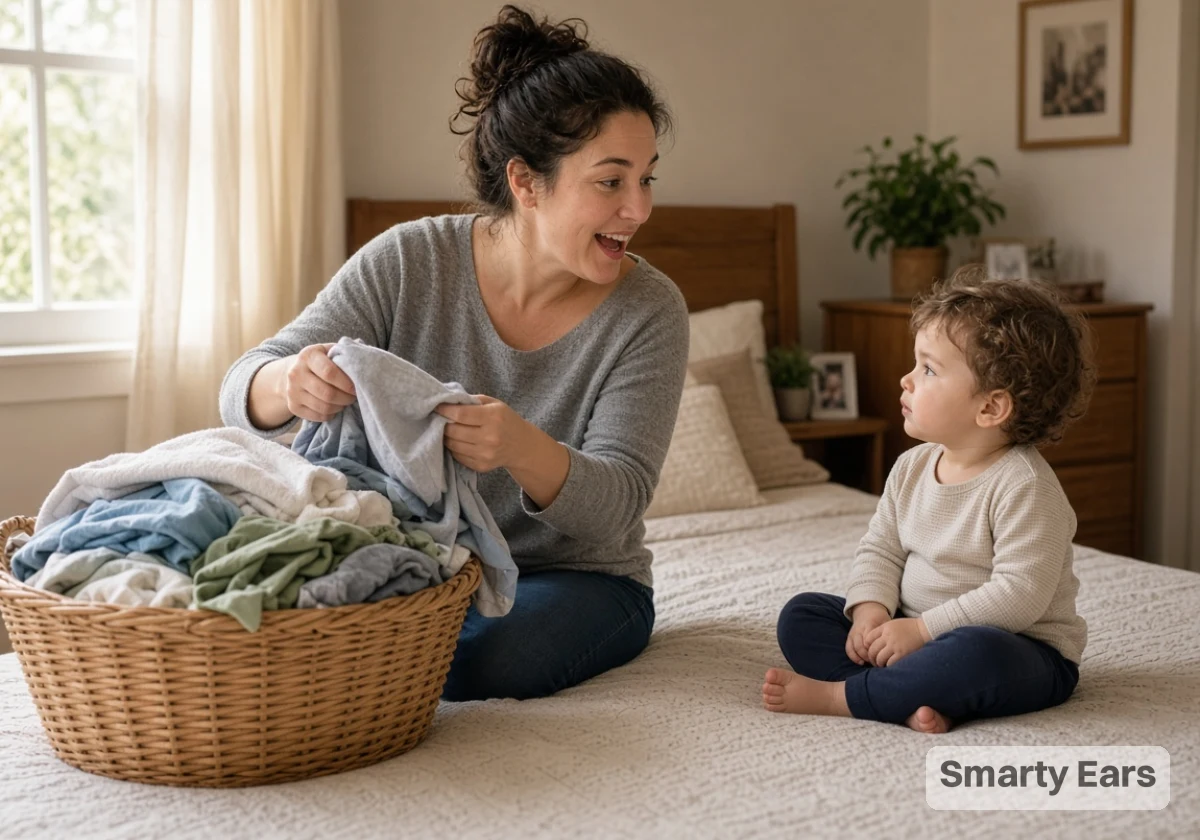
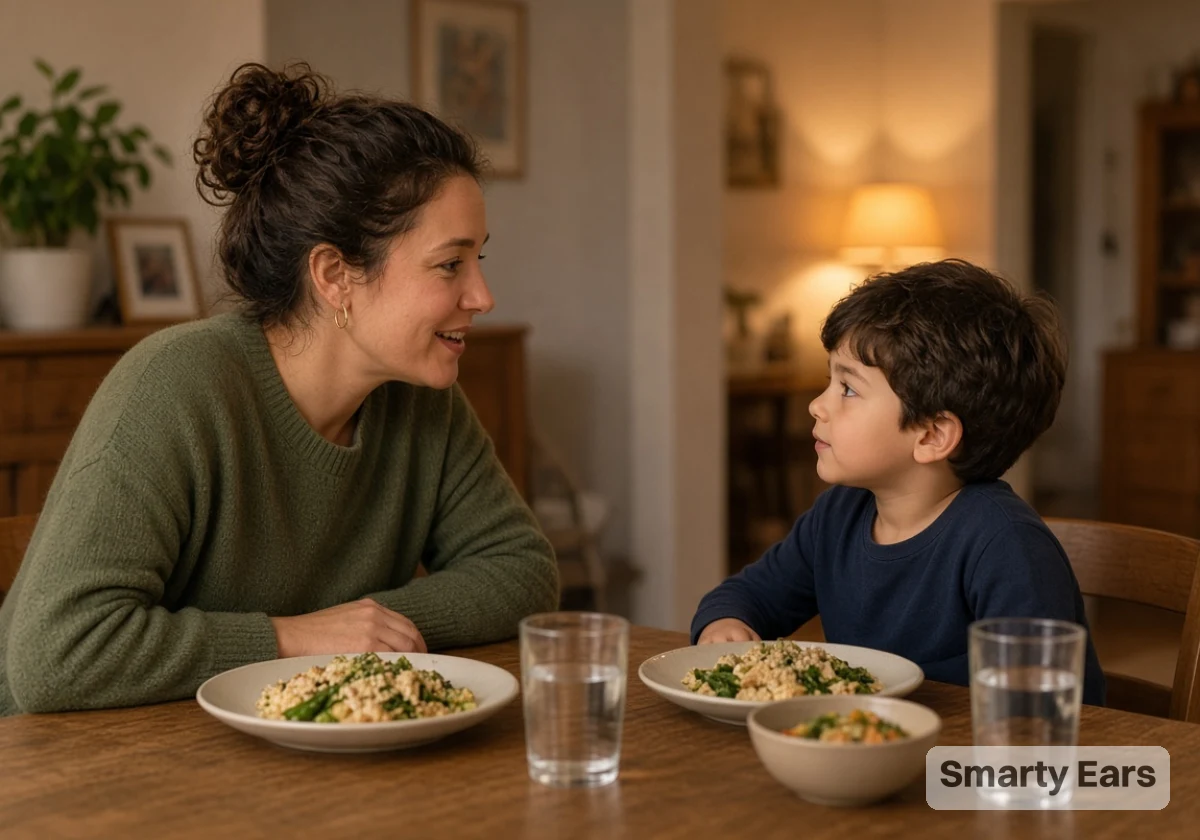
Your strongest language gives your child the fullest model of words and grammar. When you’re more comfortable speaking Mandarin or Arabic, use that language to describe everyday activities. Familiar routines give your child a chance to connect new words with what they see and do.
Take breakfast, for example. Instead of simply saying “apple,” try “I’m cutting the red apple.” You can use the same approach while getting dressed, folding laundry, or preparing dinner. Name the action first, then add details about colors, sizes, or textures.
As you talk, leave a few seconds for your child to respond. They might answer with a word, gesture, or attempt to copy you. Follow their lead and add a little more language. If they point to a cup and say “water,” reply with “You want cold water.”
These small exchanges keep the conversation going and give your child new words to hear in familiar situations.
Books, Songs, and Play in Both Languages
Books and songs bring familiar words back into your child’s day, so repetition makes new vocabulary easier to remember. Rhymes also introduce the sounds and rhythms of each language through words your child enjoys hearing.
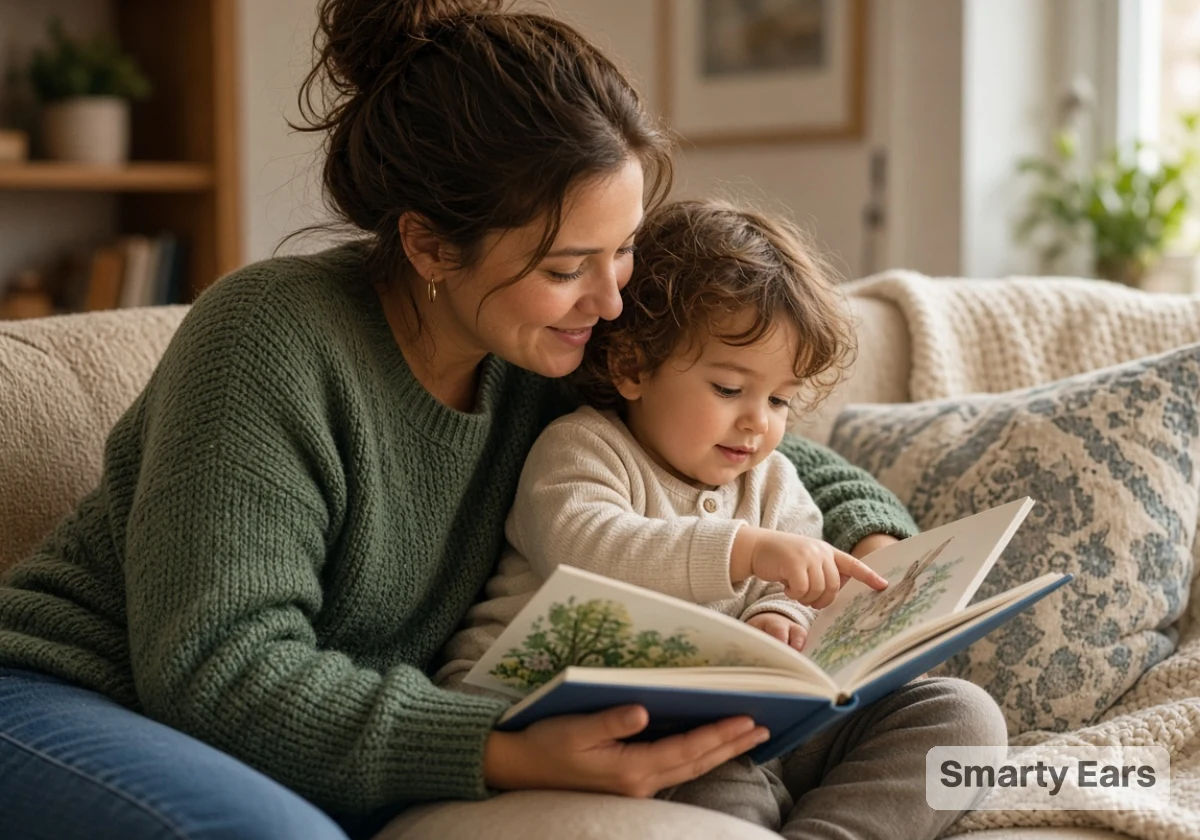
For reading time, you should keep a few favorite books of your kid in each language within reach. A grandparent might read the Spanish stories while you handle the English ones. Point to pictures, name familiar objects, and pause when your child wants to join in.
The conversation doesn’t have to stop when you close the book. After reading about animals, bring out toy animals and use their names during play. Puppets and toy kitchens offer similar opportunities to practice greetings, requests, and short sentences.
Quick Tip: Let your child’s interests guide the activity instead of asking them to repeat every word. Respond to their attempts and add a few new words as the conversation develops.
Let Code-Switching Happen Without Correcting It
Ever wondered if mixing two languages in one sentence slows your child’s word learning? Not according to the findings of a small 2026 UW-Madison study. Researchers found that four- and five-year-olds learned new words at similar rates from mixed and single-language speech. This language mixing, known as code-switching, is a normal part of bilingual communication.
That means there’s no need to stop and correct every language switch. If your child says “quiero juice,” respond naturally and keep the conversation going. You might say, “You want juice?” and give them time to answer.
The same goes for your own speech. Use the languages that come naturally to you, and pay attention to how your child responds. The goal is to encourage conversation, not make every sentence a language lesson.
One Parent, One Language, or One Language per Setting?
Both setups can work, so choose the one your family can keep up. With one parent, one language, each adult sticks to a single language with the child. For example, one parent might speak Spanish while the other uses English.
Another option is to use different languages in different settings. Your family might speak Spanish at home while your child uses English at school. This approach fits households where parents share a home language.
Neither method requires strict rules, though. If your child asks a question in English during Spanish-speaking time, you don’t need to interrupt the conversation. What counts is giving your child regular opportunities to hear and use each language, even on a tired Tuesday evening.
Carry Each Target Sound Across Both Languages
Some speech sounds appear in multiple languages, like the /s/ in English “sun” and Spanish “sol.” Practicing familiar words in each language gives your child additional opportunities to work on the same sound.
However, shared sounds don’t always follow identical pronunciation patterns. A sound that appears in one language might also require different practice in another, depending on your child’s speech goals.
That’s why your speech-language pathologist (SLP) should guide which sounds you practice at home. Ask for suitable word lists in each language so your activities support the skills your child is working on in therapy.
How Do You Know When a Bilingual Child Needs Speech Therapy?
Home practice supports your child’s communication, but some difficulties call for professional attention. Watch for problems across the languages your child uses, especially when they lose skills they previously had.
The table below separates common bilingual patterns from signs that deserve an evaluation.
| What You Notice | What It Usually Means | What to Do |
|---|---|---|
| Mixing languages in one sentence | Normal code-switching | Keep talking naturally |
| Larger vocabulary in one language | Often reflects uneven exposure | Offer more conversation and play in the less-used language |
| Few words in every language for their age | Possible language delay | Request a speech and language assessment |
| Unclear speech across languages | Possible speech sound disorder | Book an evaluation with an SLP |
| Lost words or communication skills | Developmental regression | Call your pediatrician right away |
The last three signs deserve closer attention, although they don’t automatically indicate a disorder. An SLP assesses your child’s communication across languages, considering their age, development, and language exposure. An early evaluation gives you a clearer picture of their needs and the next steps for support.
Working With a Speech-Language Pathologist Who Knows Both Languages
Once a warning sign shows up, bilingual child speech therapy works best with an SLP who speaks both languages or works with a trained interpreter. Testing in English alone can wrongly label a typical bilingual child as delayed. We’ve built speech therapy tools alongside practicing speech-language pathologists, and the strongest plans always include the family’s home language.
To get the most from that partnership, focus on these three habits.
- Share Your Language History: Before the first assessment, tell the SLP which languages each adult speaks and how often. This detail influences which tests they choose. You should write it down ahead of time so nothing gets missed.
- Ask for Bilingual Goals: Discuss how therapy goals will address your child’s needs across their languages. For example, your child might practice requesting a favorite toy in English and Spanish. The SLP can track progress in each language and adjust the goals as your child’s communication develops.
- Plan Home Practice Together: Short, regular practice between therapy sessions keeps new skills from fading. Your SLP can suggest activities in your home language. Ask for one routine you can repeat every day.
Good bilingual SLPs treat your home language as a tool for therapy. If a provider suggests dropping it, ask for their reasoning and consider a second opinion.
Keep Both Languages in the Conversation and Get Help Early
Your child doesn’t need a perfect language schedule to develop communication skills. Everyday conversations, family stories, and shared activities offer plenty of opportunities to hear and use new words. The language you speak most comfortably deserves a place in those moments.
As your child grows, pay attention to how they communicate across their languages. Differences in vocabulary are common, but persistent difficulties or lost skills deserve professional attention. An early assessment gives your family clearer answers and a plan for the next steps.
Smarty Ears offers speech and language resources for families and SLPs supporting bilingual kids. Contact us to find tools that fit your child’s languages and goals.