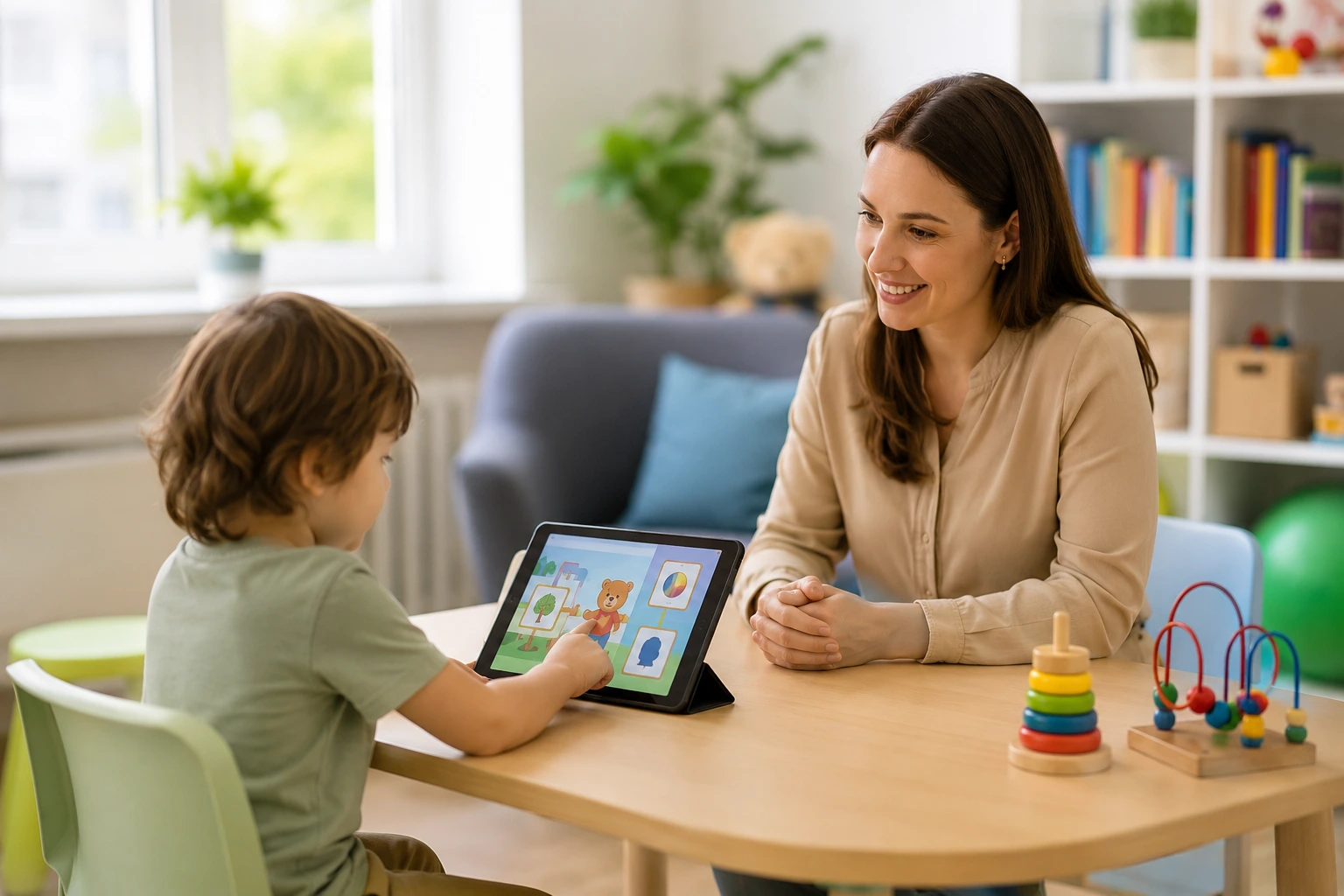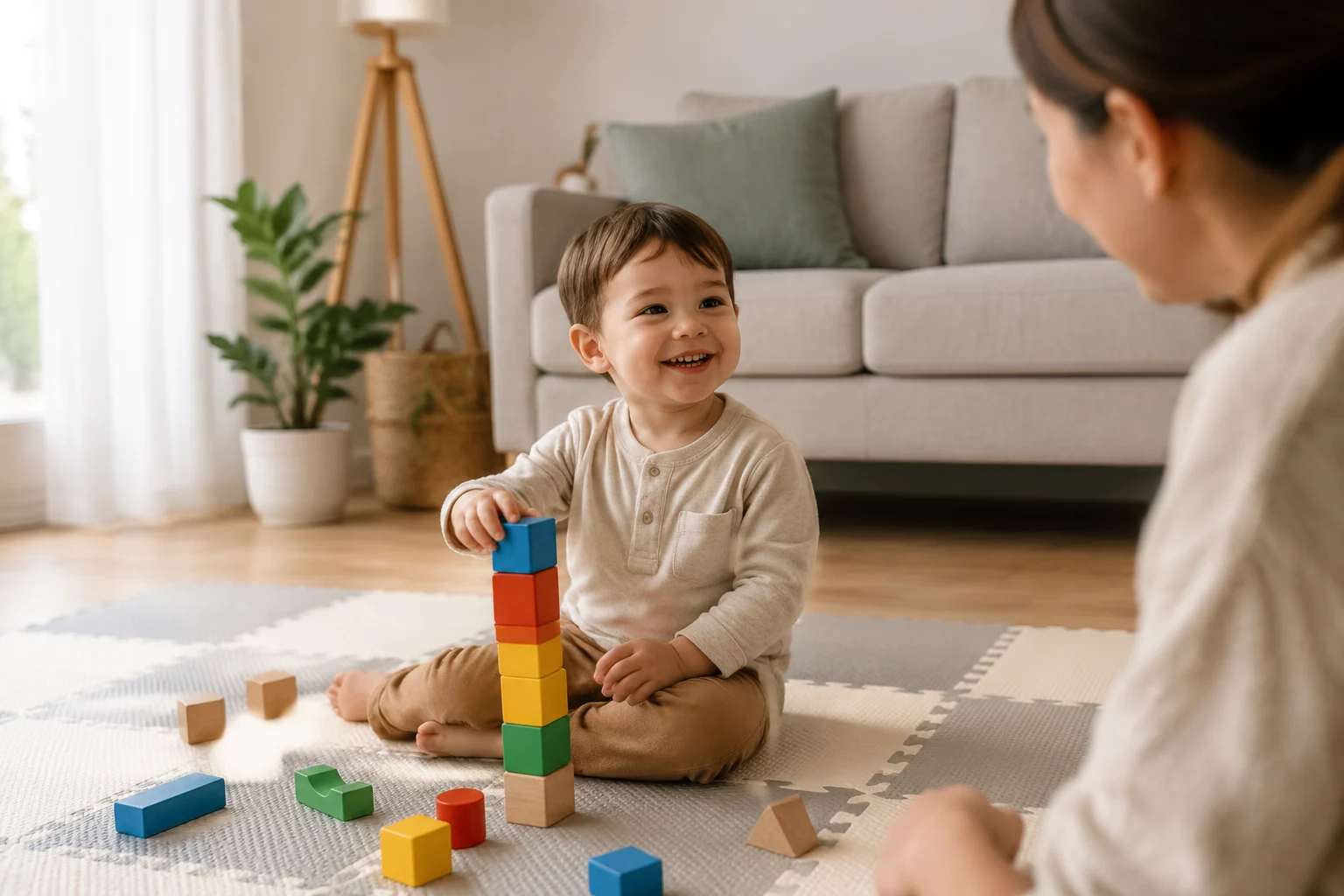
Play-based learning is one of the most powerful ways kids develop speech and language skills. Unlike traditional drills, play creates a natural environment where children can practice vocabulary, grammar, and communication without stress or pressure.
If you’re a parent or speech-language pathologist wondering how to support speech development, this guide walks you through the practical approach. You’ll learn why play works, how to design age-appropriate activities, and specific techniques for common speech challenges like articulation disorders and language delays.
Research into play-based learning in early childhood shows benefits for language development, and we’ll show you how to tap into those benefits yourself.
Why Speech and Language Development Grows Through Play
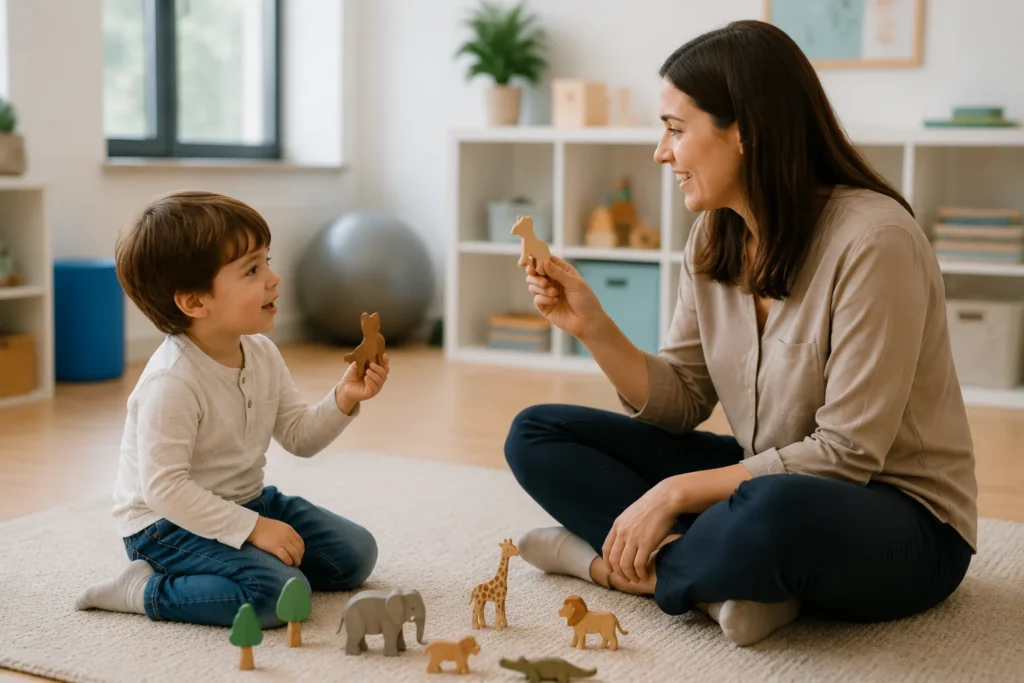
Frankly, kids learn language best when they’re having fun. During play, a child practices new sounds and words naturally because the focus stays on the game, not the correction. A child playing “restaurant” naturally repeats words like “order,” “table,” and “napkin” without the anxiety that comes from a therapy worksheet.
We’ve learned from working with families that play builds confidence and accelerates speech development. Kids who practice through games feel successful and willing to keep trying. The skills they develop stick in memory because they practice in a low-pressure environment.
The combination of natural repetition, emotional safety, and real-life conversation creates conditions where language development happens much faster than usual.
How Play Addresses Speech Disorders and Language Problems
We’ve done this enough times to know that play-based speech therapy targets skills in real situations. A child struggling with /r/ sounds plays a “pet store” game where they naturally say “parrot,” “rabbit,” and “rare” repeatedly without feeling singled out.
This approach addresses articulation and language disorders simultaneously. During pretend play, kids build vocabulary, practice sentences, and develop communication skills at once. The multitasking often works better because skills grow together instead of separately.
Playful feedback also keeps kids motivated. Instead of “say it again correctly,” a therapist might say, “I didn’t understand you; tell me that word again.” The child wants to keep playing, so they practice longer and stay engaged. This sustained participation develops much stronger speech and language skills than traditional drills allow.
Once we recognize how play targets speech disorders, we can use short stories to build specific language skills.
Building Vocabulary and Grammar: Language Therapy Through Short Stories
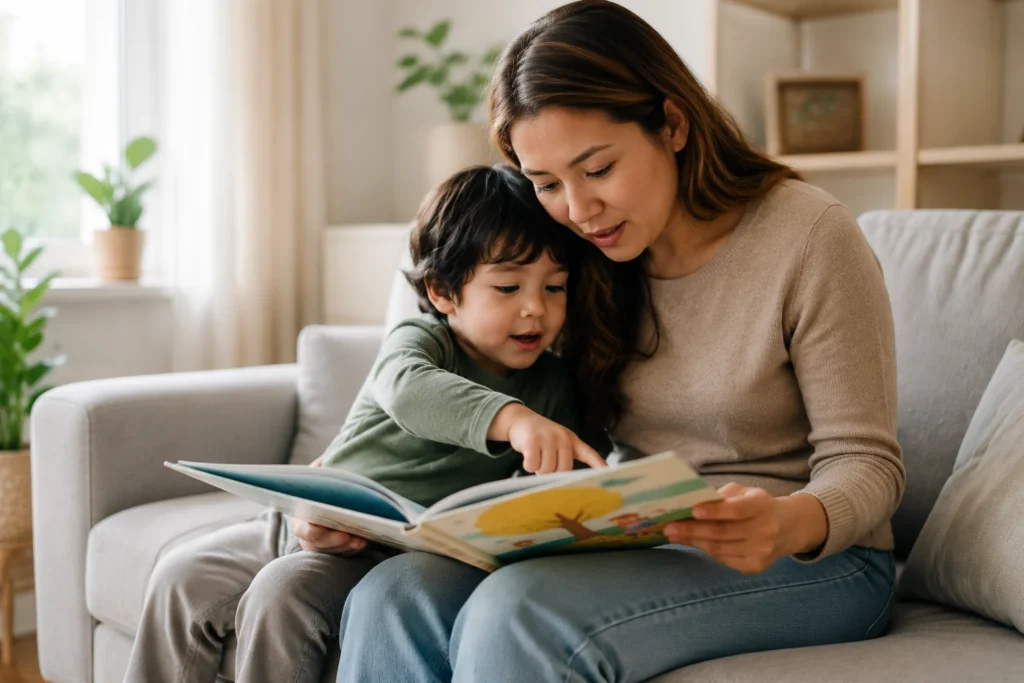
When a child hears irregular past tense verbs like “went,” “ate,” and “came” repeatedly in “Where the Wild Things Are,” the verbs stick through repetition and emotional connection to the character.
A therapist might pause to ask, “What did Max wear?” or “Where did he go?” This practice happens naturally within the story, without formal drills. Character dialogue also shows how people communicate in real settings, so kids absorb social language, turn-taking, and conversation flow through observation.
Words like “angry” and “adventurous” embed deeper in memory when tied to a character’s journey. The emotional context strengthens language retention because kids connect words to feelings and experiences.
Bottom Line: Stories activate multiple learning pathways at once: visual, emotional, and auditory channels all work together to cement new vocabulary in long-term memory.
How Your Child’s Speech Changes with Consistent Play
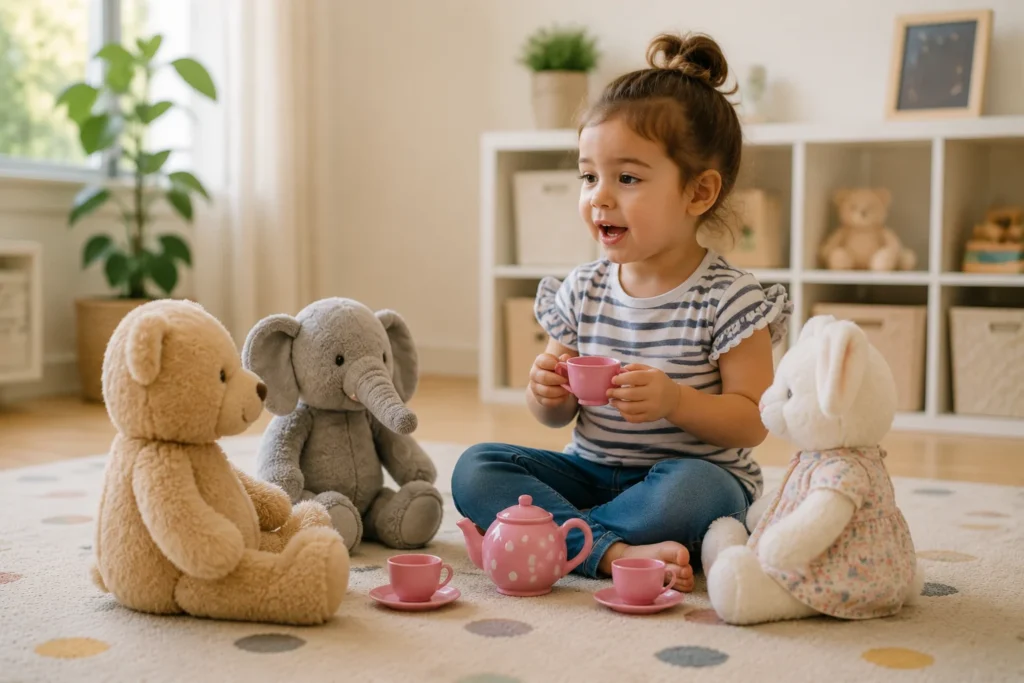
In our experience, children develop clearer speech sounds and add new words to their vocabulary. A child who struggled with articulation during formal sessions suddenly speaks with new sounds during home playtime.
Parents notice their child talking more, too. They attempt longer sentences and feel braver about communication. Kids who engage in regular play-based language therapy demonstrate measurable improvements because they stay motivated and practice longer.
The confidence kids build through play carries forward as well. They take more speaking risks and participate more in conversations. Their language abilities strengthen alongside their willingness to communicate.
You’ll notice this shift in how they interact at school, with friends, and in family conversations.
Getting Started: Speech and Language Games for Home Practice
You don’t need special materials to start. Simply begin with games your child already loves and talk naturally about colors, shapes, and words as they play.
Here’s how to build from there:
- Start With What They Love: Pick games your child already enjoys. Talk about colors, shapes, and words as they play naturally.
- Practice Daily: Ten minutes each morning builds stronger language connections than one longer session per week. Your child will anticipate what comes next and stay engaged.
- Keep It Playful: Kids develop stronger communication skills when enjoying themselves (which is why turning games into mini-drills backfires). The moment play stops feeling playful, kids lose interest.
Pick one simple game this week and watch your child’s communication skills grow naturally.
For more inspiration, explore our collection of fun speech therapy games to find activities that match your child’s interests.